Tag Archives: Louisa M. R

‘Tis So Sweet to Trust in Jesus


Text: Louisa M. R. Stead, c. 1850-1917
Music: William J. Kirkpatrick, 1838-1921

Trust is one of those marvelous words that can be used in many different ways. As a noun, it refers to the confidence that we have in someone or something. It can also be an account that is entitled to special treatment and special protection. As a verb, it is the act of placing confidence in someone else. Whether it is a thing or an action, though, we often speak of “levels” or “degrees” of trust. Between the best of friends there is great trust. How much do we trust others? How much do they trust us?

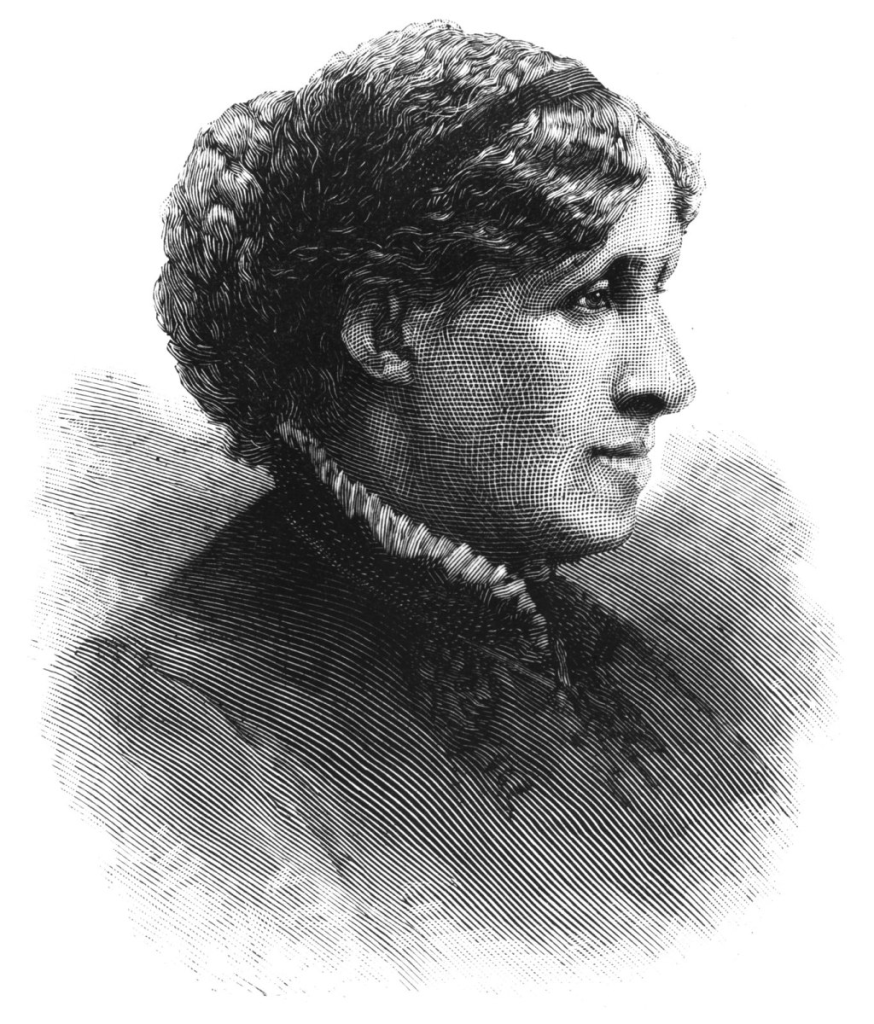
This week’s featured hymn was written by Louisa Stead. The story is told that she and her husband were watching their young daughter by the beach. Someone cried out for help. There was a boy in the water. Mr. Stead went to the rescue, but the frightened boy pulled him under the water in a panic. Mrs. Stead and her daughter could only watch from the beach as the boy and her husband drowned.

Stead was a poor woman and she was hardly able to provide for her daughter. One day when it seemed that all of their resources were gone, she found a gift of food and money left on her doorstep. It was on that day that she sat and wrote these words.

http://www.hymnsite.com/lection/ape05.htm

Hebrews 2:9-13

But we see Jesus, who was made a little lower than the angels for the suffering of death, crowned with glory and honour; that he by the grace of God should taste death for every man.

10 For it became him, for whom are all things, and by whom are all things, in bringing many sons unto glory, to make the captain of their salvation perfect through sufferings.

11 For both he that sanctifieth and they who are sanctified are all of one: for which cause he is not ashamed to call them brethren,

12 Saying, I will declare thy name unto my brethren, in the midst of the church will I sing praise unto thee.

13 And again, I will put my trust in him. And again, Behold I and the children which God hath given me.

For the Lord’s Day – Like a River Glorious


Frances Ridley Havergal

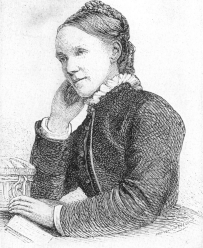
Frances Ridley Havergal was an English religious poet and hymn writer. Take My Life and Let it Be and Thy Life for Me are two of her best known hymns. She also wrote hymn melodies, religious tracts, and works for children. Wikipedia

Born: December 14, 1836, Astley, United Kingdom

Died: June 3, 1879, Caswell Bay, Bishopston, United Kingdom

When Frances Havergal was vacationing in the south of Wales, 1876, she caught a severe cold, accompanied by inflammation of the lungs. Hearing how ill she was, and that she might die, she replied, “If I am really going, it is too good to be true.” Her friends were amazed at how peacefully she received this information. She did survive that illness, and later that year she wrote the hymn “Like a River Glorious” in which she pointed to the source of her perfect peace: “Stayed upon Jehovah, hearts are fully blessed, finding, as He promised, perfect peace and rest.”

Miss Havergal, a devout Bible scholar, echoed Isaiah in “Like a River Glorious” in which God promises “peace like a river.” She also incorporated Isaiah 26:3, which states “You will keep him in perfect peace, whose mind is stayed on You, because he trusts in You.” “Like a River Glorious” paints the picture of this peace.

Miss Havergal wrote to another hymn writer who had also written about peace. In her letter, Miss Havergal quoted Romans 5:1 “We have peace with God,” adding “It is yours already, purchased for you, made for you, sealed for you, pledged to you – by the word of the Father and the precious blood of Jesus.”

The hymn was first published in its present form with the name “Perfect Peace,” in Hymns of Consecration and Faith, 1876.”  https://songsandhymns.org/hymns/detail/like-a-river-glorious


Philippians 4:6-8

Be careful for nothing; but in every thing by prayer and supplication with thanksgiving let your requests be made known unto God.

And the peace of God, which passeth all understanding, shall keep your hearts and minds through Christ Jesus.

Finally, brethren, whatsoever things are true, whatsoever things are honest, whatsoever things are just, whatsoever things are pure, whatsoever things are lovely, whatsoever things are of good report; if there be any virtue, and if there be any praise, think on these things.