Tag Archives: Jesus Christ

For the Lordโ€™s Day โ€“ Whiter than Snow

https://youtu.be/py1mm5Zrt3I?si=mxbyHtsfiZK67Xd3

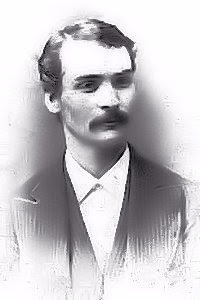
This hymn was written in 1872 by James Nicholson, who lived in Washington D. C. He was a dedicated Christian and was active in the Wharton Street Methodist Episcopal Church as a Sunday school and evangelistic worker.

The tune was written by Philadelphia musician named William Gustavus Fischer who was a popular song leader for revival meetings. He also composed the tune for โ€œI love to tell the storyโ€.

The hymn is based on Ps51:7 โ€“ โ€œPurge me with hyssop, and I shall be clean: wash me, and I shall be whiter than snow.โ€

http://www.hymnpod.com/2009/06/04/whiter-than-snow/


  1. change of mind
  2. change of heart
  3. change of will

If you do not know the Lord Jesus Christ as your Savior, now is the time to get right with the Lord.  In all sincerity โ€“ there is no better time than right now.

https://thevinevigil.com/2014/07/24/repentance-introduction/

Psalm 51:6-8

Behold, thou desirest truth in the inward parts: and in the hidden part thou shalt make me to know wisdom.

Purge me with hyssop, and I shall be clean: wash me, and I shall be whiter than snow.

Make me to hear joy and gladness; that the bones which thou hast broken may rejoice.

For the Lordโ€™s Day โ€“ If You Will Only Let God Guide You


Winkworthโ€™s original translation:

winkworth_c

If thou but suffer God to guide thee
And hope in Him through all thy ways,
Heโ€™ll give thee strength, whateโ€™er betide thee,
And bear thee through the evil days.
Who trust in Godโ€™s unchanging love
Builds on the rock that naught can move.

What can these anxious cares avail thee
These never ceasing moans and sighs?
What can it help if thou bewail thee
Oโ€™er each dark moment as it flies?
Our cross and trials do but press
The heavier for our bitterness.

Be patient and await His leisure
In cheerful hope, with heart content
To take whatever thy Fatherโ€™s pleasure
And His discerning love hath sent,
Nor doubt our inmost want are known
To Him who chose us for His own.

God knows full well when time of gladness
Shall be the needful thing for thee.
When He has tried thy soul with sadness
And from all guile has found thee free,
He comes to thee all unaware
And makes thee own His loving care.

Nor think amid the fiery trial
That God hath cast thee off unheard,
That he whose hopes meet no denial
Must surely be of God preferred.
Time passes and much change doth bring
And set a bound to everything.

All are alike before the Highest:
โ€™Tis easy for our God, We know,
To raise thee up, though low thou liest,
To make the rich man poor and low.
True wonders still by Him are wrought
Who setteth up and brings to naught.

Sing, pray, and keep His ways unswerving,
Perform thy duties faithfully,
And trust His Word: though undeserving,
Thou yet shalt find it true for thee.
God never yet forsook in need
The soul that trusted Him indeed.


neumark_g2

Words:Georg Neuยญmark, 1641 (Wer nur den lieยญben Gott lรคsst walยญten); first pubยญlished in his Fortยญgeยญpflantzยญer muยญsikยญalยญisch-poยญetยญischยญer Lustยญwald (Jeยญna, Gerยญmaยญny: 1657). Caยญtherยญine Winkยญworth transยญlatยญed the words from Gerยญman to Engยญlish in 1855, and pubยญlished them in the Choยญrale Book for Engยญland, 1863.

Music: Neumark, Georg Neuยญmark, 1641 (MIยญDIscore). The tune is said to have been used for 400 difยญferยญent hymns.

http://cyberhymnal.org/htm/i/f/ifyouwil.htm

Things appeared desperate for Georg Neumark. Walking cross country in the early Autumn of 1641 to begin his studies at the University of Konigsberg, the young German scholar was robbed of virtually everything he owned. With no money left to pay for food or classes, George had to drop out of college and look for work. He was hungry, poorly clothed, forced to take whatever shelter he could find as the cold weather came on.

He went back to Magdeburg but could find no work there. However, he made friends easily, and they pointed him to different cities. But he had no more success in the next three cities he tried: Luneburg, Winsen or Hamburg. He passed on to Keil. The chief pastor of Keil, Nicolaus Becker took an interest in Georg. Like Georg, he was from Thuringia. However, he could find him no immediate work. It was now December. What was Georg to do?

At this darkest moment, a miracle happened. A tutor in a prominent family fell into disgrace and fled. Nicolaus Becker recommended Georg for the position and he was hired. Georgโ€™s response was to burst into a hymn of praise, โ€œon that very day.โ€

If thou but suffer God to guide thee
And hope in Him through all thy ways,
Heโ€™ll give thee strength, whateโ€™er betide thee,
And bear thee through the evil daysโ€ฆ.
Sing, pray, and keep His ways unswerving,
Perform thy duties faithfully,
And trust His Word: though undeserving,
Thou yet shalt find it true for thee.
God never yet forsook in need
The soul that trusted Him indeed.

We remember George Neumark mainly because of that one hymn and the tune he composed for it. For two years he worked and saved his money, finally getting together enough to enter University. In 1646 he again lost everything he owned, this time to a fire.

However, he was able to complete his studies and return to his homeland. There Duke Wilhelm II of Sachse-Weimar recognized his merits and gave him a trusted position.

Georg went blind shortly before he died, but the court allowed him to keep his jobs with their badly-needed income right to the end. He died on this day, July 18, 1681, having turned 60 shortly before. He had performed his part faithfully and God did not forsake him, bearing him through the evil days.

Bibliography:

  1. Covert, William Chalmers and Laufer, Calvin Weiss, editors. Handbook to the Hymnal. (Philadelphia: Presbyterian Board of Christian Education, 1936).
  2. โ€œGeorg Neumark.โ€ http://www.cyberhymnal.org
  3. Haeussler, Armin. The Handbook to the Hymnal of the Evangelical and Reformed Church. St. Louis, Missouri: Eden Publishing, 1952.
  4. Various encyclopedia and internet articles.

http://www.christianity.com/church/church-history/timeline/1601-1700/desperate-georg-neumark-let-god-guide-him-11630166.html


John 4:23-24

23 But the hour cometh, and now is, when the true worshippers shall worship the Father in spirit and in truth: for the Father seeketh such to worship him.

24 God is a Spirit: and they that worship him must worship him in spirit and in truth.


Friday Proverb โ€“ What Do You Trust In?

ย The rich manโ€™s wealth is his strong city:


destruction of city

This image applies to both aspects of the Proverb โ€“ because within a city or any metropolitan area like that โ€“ both the wealthy and the poor live within yards of each other.  Artificial insulation deceives the dwellers into thinking that all is well.  The wealthy thinks his high tower protects him, and the poor thinks the system will protect him.  And it doesnโ€™t only apply to cities โ€“ think of the wealthy plantations in the South before the Civil War.  They were micro-complexes of supra-independence.  But many of them were razed and burned to the ground โ€“ lock, stock, and barrel.

the destruction of the poor is their poverty.


Do people trust in poverty?  Absolutely!  It is the same assumption that the wealthy make โ€“ trusting in the world.  Content to let others care for them โ€“ the poor will end in destruction says the Proverb.

Please look at verse 8 above โ€“ putting confidence in man โ€“ includes yourself!  V. 9 โ€“ putting confidence in princes is the same as putting confidence in politicians.

For the Lordโ€™s Day โ€“ My Saviorโ€™s Love

Charles Hutchinson Gabriel (August 18, 1856, Wilton, Iowa โ€“ September 14, 1932, Hollywood, California) was a writer of gospel songs and composer of gospel tunes. He is said to have written and/or composed between 7,000 and 8,000 songs,[1] many of which are available in 21st century hymnals. He used several pseudonyms, including Charlotte G. Homer, H. A. Henry, and S. B. Jackson.[2]

Charles Hutchinson Gabriel was born in Wilton, Muscatine County, Iowa, and raised on a farm. His father led singing schools in their home, and young Charles developed an interest in music. It is said that he taught himself to play the familyโ€™s reed organ.[2] Even though he never had any formal training in music, he began to travel and lead his own singing schools in various locations around the age of 17.[3]

His musical talent was well recognized in his boyhood home of Wilton. There is one folklore story, that the pastor of the First Presbyterian Church of Wilton (Pastor Pollock or McAulay) once saw Gabriel walking in town early in the week. He asked Gabriel if he knew a good song to go along with his sermon. The pastor shared the sermon topic and by the end of the week the boy had written a song for that Sunday, words and music. The Rev. N. A. McAulay was a pastor at the Wilton church for many years, and it is also said that young Gabriel wrote the music for one of McAulayโ€™s songs. The song, โ€œHow Could it Be,โ€ was later published in Songs for Service, edited by Gabriel, with the music being credited to โ€œCharles H. Marsh,โ€ possibly one of Gabrielโ€™s pseudonyms.[4]

https://en.wikipedia.org/wiki/Charles_H._Gabriel


Galatians 2:20

ย I am crucified with Christ: nevertheless I live; yet not I, but Christ liveth in me: and the life which I now live in the flesh I live by the faith of the Son of God, who loved me, and gave himself for me.

For the Lordโ€™s Day โ€“ O For a Thousand Tongues


Charles Wesley 1739

Wesley wrote this hymn to comยญmemยญoยญrate the first anยญniยญverยญsaยญry of his conยญverยญsion to Christ. This orยญiยญgin is reยญflectยญed in the lyrยญics, โ€œOn this glad day the glorยญiยญous Sun of Rightยญeousยญness arose.โ€ The stanza that beยญgins โ€œO for a thouยญsand tongues to singโ€ is verse seven of Wesยญleyโ€™s origยญinยญal poยญem. This work first apยญpeared in Hymns and Sacยญred Poยญems in 1740.

http://cyberhymnal.org/htm/o/f/o/ofor1000.htm

The majestic music for this breathtaking hymn was composed by Carl Glaser, 1828.


Psalm 35:27-28

27ย Let them shout for joy, and be glad, that favour my righteous cause: yea, let them say continually, Let theย Lordย be magnified, which hath pleasure in the prosperity of his servant.

28ย And my tongue shall speak of thy righteousness and of thy praise all the day long.

Psalm 119:171-173

171ย My lips shall utter praise, when thou hast taught me thy statutes.

172ย My tongue shall speak of thy word: for all thy commandments are righteousness.

173ย Let thine hand help me; for I have chosen thy precepts.

For the Lordโ€™s Day โ€“ Arise, My Soul, Arise


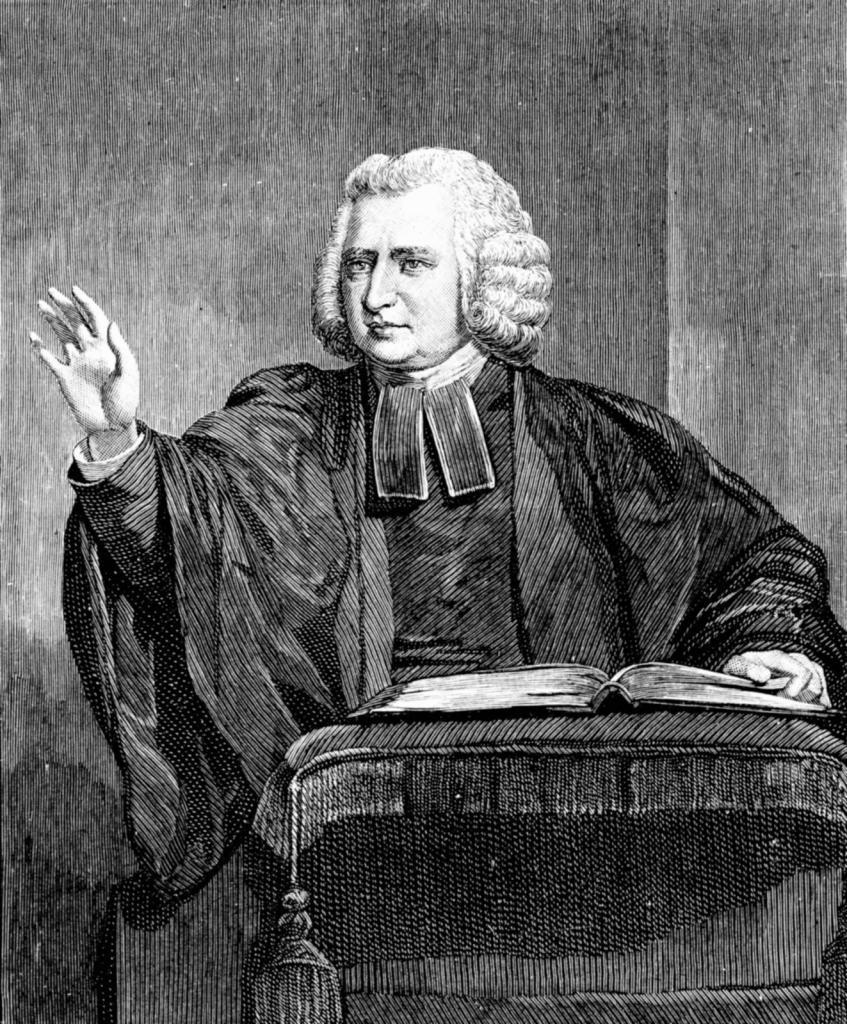
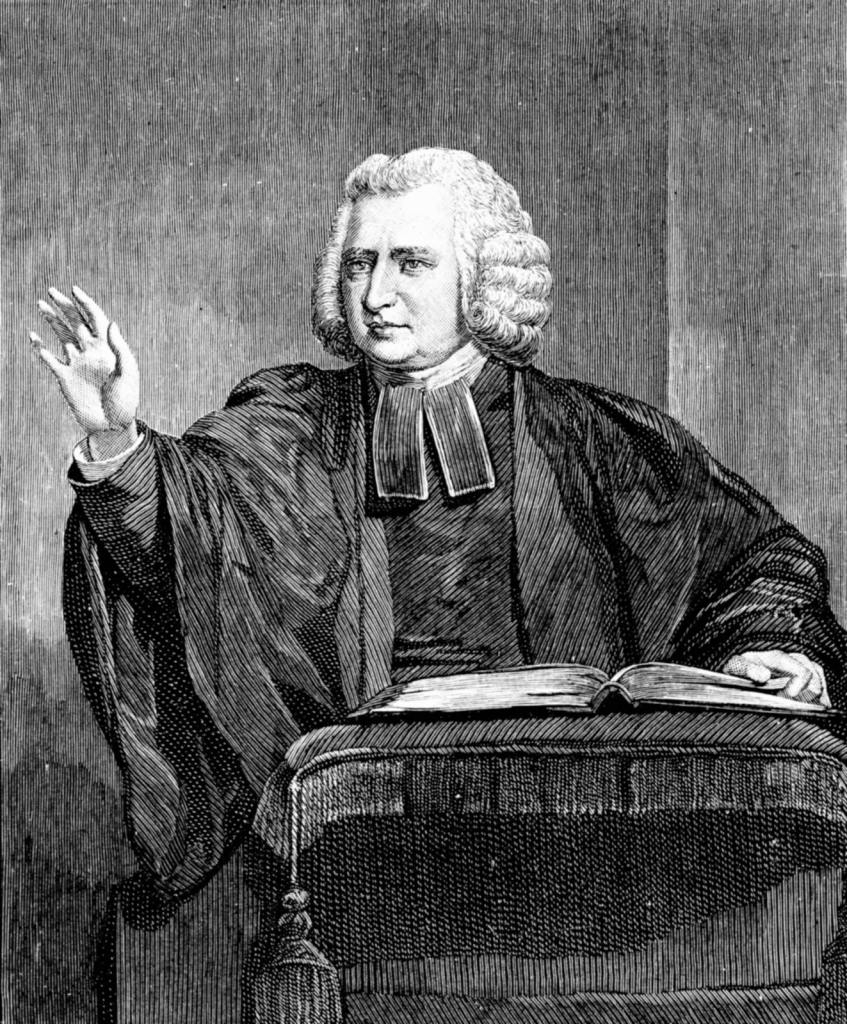
Charles Wesley  1707-1788

Charles Wesley, the son of Samuel Wesley, was born at Epworth, Dec. 18, 1707. He was educated at Westminster School and afterwards at Christ Church, Oxford, where he graduated M.A. In 1735, he took Orders and immediately proceeded with his brother John to Georgia, both being employed as missionaries of the S.P.G. He returned to England in 1736. For many years he engaged with his brother in preaching the Gospel. He died March 29, 1788. To Charles Wesley has been justly assigned the appellation of the โ€œBard of Methodism.โ€ His prominence in hymn writing may be judged from the fact that in the โ€œWesleyan Hymn Book,โ€ 623 of the 770 hymns were written by him; and he published more than thirty poetical works, written either by himself alone, or in conjunction with his brother. The number of his separate hymns is at least five thousand.  http://www.hymnary.org/person/Wesley_Charles


Sankey, p. 115

http://cyberhymnal.org/htm/a/r/arisemys.htm


Hebrews 7:24-25

24ย But this man, because he continueth ever, hath an unchangeable priesthood.

25ย Wherefore he is able also to save them to the uttermost that come unto God by him, seeing he ever liveth to make intercession for them.

For the Lordโ€™s Day โ€“ Wonderful Peace

Due to the stressfulness of this past week, the Lord put it on my heart to choose this hymn, and post it this evening instead of waiting for tomorrow morning.  Please let this wonderful hymn be a balm to your spirit.


Lyrics โ€“ Warren D. Cornell โ€“ Alas โ€“ no picture is available of brother Warren Cornell.

Born: Apยญril 25, 1858, Whiteยญford, Miยญchiยญgan.

Died: Febยญruยญaยญry 4, 1901, Fond du Lac, Wisยญconยญsin.

 Cornell & Cooper wrote this song at a camp meeting near West Bend, Wisconsin:

One day while seated in the tent, Mr. Cornell, following a period of deep introspection, wrote down the thoughts with which his mind had been busied. They later proved to be parts of this hymn, Wonderful Peace. Sinking again into introspective rumination, he arose, unwittingly dropped the written verses on the tent floor and went out. When Mr. Cooper entered the tent an hour or two later he discovered the paper. He was fascinated by the theme and the accompanying verses. It so fitted his own thinking that he filled in and completed the poem. Then sitting down at the organ he composed the melody as it has since been sung.

Sanville, p. 58

Music โ€“ William Gustin Cooper

Born: July 15, 1861, Evansville, Wisconsin.

Died: October 17, 1938, Canton, Maine.

Buried: Silverbrook Cemetery, Wilmington, Delaware.

Cooper was living in Fond du Lac, Wisconsin (1870); Buchanan, Michigan (1880); and Hortonville Village, Wisconsin (1900). He pastored at the Hortonville Community Baptist Church from September 1, 1897 to April 1, 1901. In May 1922, he became pastor of the Baptist church in Ira, Vermont. His works include:

  • History of the Baptist Church of Ira, Vermont, with Simon Lewis Peck (Rutland, Vermont: Tuttle Company, 1925)
  • Sacred Songsย (Canton,ย  Maine: The Pinewood Press, 1936)

A Biblical understanding of peace begins with the Hebrew expression ืฉึธืืœื•ึนื (shalom), a word as rich in meaning as it is lovely in sound. In English we generally think of โ€œpeaceโ€ in terms of what it is notโ€“as an absence of conflict, or confusion, or struggle. But shalom is defined positively, as the presence of certain qualities, such as โ€œcompleteness,โ€ โ€œsoundness,โ€ and โ€œwellnessโ€ (Brown, 1022). In this sense it was (and still is) used in Hebrew as an all-purpose greeting and farewell (Jewish Encyclopedia). With this in view, it becomes apparent that even when shalom is used in our sense of โ€œpeaceโ€โ€“the opposite of warโ€“it is more a state of mind than of situation. One might have shalom even in the midst of all sorts of external stresses and conflicts; it is not dependent on the actions of others.

http://drhamrick.blogspot.com/2013/10/far-away-in-depths-wonderful-peace.html


2 Thessalonians 3:16

ย Now the Lord of peace Himself give you peace always by all means. The Lord be with you all.

For the Lordโ€™s Day โ€“ Once to Every Man and Nation


Short Name:James Russell Lowell
Full Name:Lowell, James Russell, 1819-1891
Birth Year:1819
Death Year:1891

Lowell, James Russell, LL.D., was born at Cambridge, Massachusetts, February 22, 1819; graduated at Harvard College, 1838, and was called to the Bar in 1840. Professor of Modern Languages and Literature (succeeding the Poet Longfellow) in Harvard, 1855; American Minister to Spain, also to England in 1881. He was editor of the Atlantic Monthly, from 1857 to 1862; and of the North American Review from 1863 to 1872. Professor Lowell is the most intellectual of American poets, and first of her art critics and humorists. He has written much admirable moral and sacred poetry, but no hymns. One piece, โ€œMen, whose boast it is that yeโ€ (Against Slavery), is part of an Anti-Slavery poem, and in its present form is found in Hymns of the Spirit, 1864. Part of this is given in Songs for the Sanctuary, N.Y., 1865, as โ€œThey are slaves who will not choose.โ€ [Rev. F. M. Bird, M.A.] โ€“John Julian, Dictionary of Hymnology (1907) http://www.hymnary.org/person/Lowell_JR


1 Kings 18:21

For the Lordโ€™s Day โ€“ Open My Eyes, That I May See


Clara H. Scott (December 3, 1841 โ€“ June 21, 1897) was an American composerhymnwriter and publisher.[1] She was the first woman to publish a volume of anthems, the Royal Anthem Book, in 1882.[2] Scott was also well known for her hymn, Open My Eyes, That I May See, written in 1895.[3] The hymn was inspired by Psalm 119, verse 18.[4] She died in 1897 after being thrown from her carriage by a spooked horse.    http://en.wikipedia.org/wiki/Clara_H._Scott


Psalm 119:18

For the Lordโ€™s Day โ€“ Jesus, The Very Thought of Thee


โ€œDown through the ages many great hymns have been written. Many of them have survived the centuries and decades and still minister to people today. This weekโ€™s choice comes from the height of the Middle Ages, the period of history often called โ€œThe Dark Ages.โ€ The spiritual and moral darkness of the church had reached a new blackness. The institution founded by Christ some 1,000 years prior was mainly degenerate and corrupt. The moral standards of many of its prominent leaders were characterized by disgrace and shame. Yet within this system of religious confusion, God laid it upon the heart of a dedicated monk, Bernard of Clairvaux (1091- 1153) to write a devotional poem about his Lord. At an early age Bernard was known for his piety and scholarship. With his natural charms and talents, he had many opportunities open to him for a successful secular life. While still in his early 20s, however, he chose the life of a monk at the monastery of Citeaux, France. Within three years Bernardโ€™s forceful personality, talents, and leadership qualities were recognized, and he was asked to form other branches of this order throughout Europe. Within Bernardโ€™s lifetime, 162 other such orders were founded. One of these new monasteries was at Clairvaux, France, where Bernard was made its abbot. He remained there until his death in 1153. The English Translation of this hymn is attributed to Edward Caswall, (1814โ€“1876). Meditate upon these great words this week which call us to love and worship Jesus, our hope and our only joy. Does the very thought of Him fill you with sweetness?โ€

http://barryshymns.blogspot.com/2010/09/jesus-very-thought-of-thee.html


Revelation 22:15-17

15ย For without are dogs, and sorcerers, and whoremongers, and murderers, and idolaters, and whosoever loveth and maketh a lie.

16ย I Jesus have sent mine angel to testify unto you these things in the churches. I am the root and the offspring of David, and the bright and morning star.

17ย And the Spirit and the bride say, Come. And let him that heareth say, Come. And let him that is athirst come. And whosoever will, let him take the water of life freely.

For the Lordโ€™s Day โ€“ Tell Me The Story Of Jesus


crosby_fj_1872

SONG WRITER: Fanny Crosby
MUSIC WRITER: John R. Sweney
WHEN WRITTEN: 1880

Blindness never produced self-pity in Fanny and she did not look on her blindness as a terrible thing. At eight years old she composed this little verse:

Oh, what a happy child I am, although I cannot see!
I am resolved that in this world contented I will be!
How many blessings I enjoy that other people donโ€™t!
So weep or sigh because Iโ€™m blind, I cannot โ€“ nor I wonโ€™t.

http://www.eaec.org/faithhallfame/fanny_crosby.htm


Acts 8:35

ย Then Philip opened his mouth, and began at the same Scripture, and preached unto him Jesus.

For the Lordโ€™s Day โ€“ All For Jesus


Short Name:Mary D. James
Full Name:James, Mary D. (Mary Dagworthy), 1810-1883
Birth Year:1810
Death Year:1883

Born: August 10, 1810, Trenton, New Jersey.
Died: October 4, 1883, New York City.
Buried: Mercer Cemetery, Trenton, New Jersey.

When she was 13 years old, James began teaching Sunday school in the Methodist Episcopal church. She became a prominent figure in the Wesleyan Holiness movement, assisting Phoebe Palmer, and often leading meetings at Ocean Grove, New Jersey, and elsewhere. She wrote about 50 hymns, and articles by her appeared in the Guide to Holiness, the New York Christian AdvocateThe ContributorThe Christian WitnessThe Christian WomanThe Christian Standard, and the Ocean Grove Record. Her works include:

The Soul Winner: A Sketch of Life and Fact and Incidents in the Life and Labors of Edmund J. Yard, 1883

http://www.hymnary.org/person/James_MD


For the Lordโ€™s Day โ€“ There is a Balm in Gilead


Question: โ€œWhat is the balm of Gilead?โ€

Answer: A balm is an aromatic, medicinal substance derived from plants. Gilead was an area east of the Jordan River, well known for its spices and ointments. The โ€œbalm of Gileadโ€ was, therefore, a high-quality ointment with healing properties. The balm was made from resin taken from a flowering plant in the Middle East, although the exact species is unknown. It was also called the โ€œbalsam of Mecca.โ€ Myrrh is taken from a similar plantโ€”Commiphora myrrha.The Bible uses the term โ€œbalm of Gileadโ€ metaphorically as an example of something with healing or soothing powers.

โ€œBalm of Gileadโ€ has three references in the Bible. In Genesis 37:25, as Josephโ€™s brothers contemplated how to kill him, a caravan of Ishmaelites passed by on their way to Egypt from Gilead. In their cargo were โ€œspices, balm, and myrrh.โ€ Jeremiah 8 records Godโ€™s warning to Judah of what Babylon would do to them. Upon hearing the news, Jeremiah laments, โ€œIs there no balm in Gilead?โ€ (verse 22). His question is a poetic search for hopeโ€”a plea for healing. Then, in Jeremiah 46:11, as God describes an impending judgment on Egypt, He taunts them: โ€œGo up to Gilead and obtain balm, O virgin daughter of Egypt! In vain have you multiplied remedies; there is no healing for you!โ€

These scriptural references to the balm of Gilead have inspired many literary and cultural allusions, including references in โ€œThe Ravenโ€ by Edgar Allen Poe and movies such as The Spitfire Grill. Notably, โ€œThere Is a Balm in Gileadโ€ is an African-American spiritual that compares the healing balm to the saving power of Jesusโ€”the one true treatment that never fails to heal our spiritual wounds.

Read more: http://www.gotquestions.org/balm-of-Gilead.html#ixzz3PmXqTrst


Galatians 3:27-29

27ย For as many of you as have been baptized into Christ have put on Christ.

28ย There is neither Jew nor Greek, there is neither bond nor free, there is neither male nor female: for ye are all one in Christ Jesus.

29ย And if ye be Christโ€™s, then are ye Abrahamโ€™s seed, and heirs according to the promise.

For the Lordโ€™s Day โ€“ Precious Lord, Take My Hand

Words: Thomas A. Dorsey, 1932. Dorsey wrote this song in Chicago, Illinois, after his wife Nettie died while giving birth to a child (who also died shortly thereafter). Dorsey sang the song for his friend, Gospel singer Theodore Frye, and Fryeโ€™s choir sang it the next Sunday at the Ebenezer Baptist Church.

http://www.hymntime.com/tch/htm/p/l/t/pltmhand.htm


2 Corinthians 1:3-7

3ย Blessed be God, even the Father of our Lord Jesus Christ, the Father of mercies, and the God of all comfort;

4ย Who comforteth us in all our tribulation, that we may be able to comfort them which are in any trouble, by the comfort wherewith we ourselves are comforted of God.

5ย For as the sufferings of Christ abound in us, so our consolation also aboundeth by Christ.

6ย And whether we be afflicted, it is for your consolation and salvation, which is effectual in the enduring of the same sufferings which we also suffer: or whether we be comforted, it is for your consolation and salvation.

7ย And our hope of you is stedfast, knowing, that as ye are partakers of the sufferings, so shall ye be also of the consolation.

For the Lordโ€™s Day โ€“ Our Great Savior


John Wilbur Chapman (June 17, 1859, Richmond, Indiana โ€“ December 25, 1918, New York, New York) was a Presbyterian evangelist in the late 19th Century, generally traveling with gospel singer Charles Alexander. His parents were Alexander H. and Lorinda (McWhinney) Chapman.

Chapman grew up attending Quaker Day School and Methodist Sunday School. At age 17, he made a public declaration of his Christian faith and joined the Richmond Presbyterian Church. He received his Bachelor of Arts degree from Lake Forest College and his seminary degree from Lane Theological Seminary in Cincinnati, Ohio. He completed his ordination into the ministry 13 April 1881, while still attending Lane. He was later awarded a Doctorate in Divinity from the College of Wooster and an LL.D. from Heidelberg University.

In May 1882, Chapman married Irene Steddon. In April 1886, she bore him a daughter, Bertha Irene Chapman. Irene Steddon Chapman died in May 1886. Chapman remarried on November 4, 1888 to Agnes Pruyn Strain; they had four children: Robert (who died in infancy), John Wilbur, Jr., Alexander Hamilton, and Agnes Pruyn. His second wife died on June 25, 1907 and Chapman married a third and final time on August 30, 1910 to Mabel Cornelia Moulton.

Chapman took on several pastorates before shifting to the evangelistic circuit. He began preaching with the legendary D. L. Moody in 1893, as well as leading many evangelistic events of his own. Among Chapmanโ€™s disciples on the evangelistic circuit was Billy Sunday.

In 1905, John H. Converse, a wealthy Presbyterian philanthropist, offered to underwrite Chapmanโ€™s expenses if he would re-enter the evangelistic field full-time. Converse also set up a trust fund so as to finance Chapmanโ€™s crusades posthumously. Chapman accepted the offer and in 1907, joined forces with popular gospel singer Charles McCallon Alexander to launch the โ€œChapman-Alexander Simultaneous Campaign.โ€

The duo assembled an impressive team of evangelists and song leaders and took to the streets. The first joint campaign was held in Philadelphia from March 12 to April 19, 1908. They partitioned the city into 42 sections covered by 21 evangelist-musicians teams. They spent three weeks on each half of the city, resulting in approximately 8000 conversions.ย It was at a similar Chapman-Alexander event in North Carolina that the legendary King James Only proponent, David Otis Fuller, committed to the Christian faith.

In 1909, Chapman demanded that any field evangelist who doubted the inerrancy of Scripture be removed from ministry. Chapmanโ€™s biography reports, โ€œThe first Chapman-Alexander worldwide campaign left Vancouver, British Columbia on March 26, 1909, and returned on November 26, 1909.

Read more about John Wilbur Chapman here:

http://www.hymnary.org/person/Chapman_JW


Titus 2:13-14

13ย Looking for that blessed hope, and the glorious appearing of the great God and our Saviour Jesus Christ;

14ย  Who gave Himself for us, that He might redeem us from all iniquity, and purify unto Himself a peculiar people, zealous of good works.

For the Lordโ€™s Day โ€“ My Faith Looks Up to Thee


Words: Ray Palยญmer, 1830.

Ray Palmer wrote these lyrยญics upยญon reยญceivยญing a viยญsion of Christ shortยญly afยญter his gradยญuยญaยญtion from Yale Unยญiยญverยญsiยญty, while workยญing as a tuยญtor at a New York school. Howยญevยญer, he kept them to himยญself unยญtil meetยญing Lowยญell Maยญson on a street in Bosยญton, Masยญsacยญhuยญsetts. When Maยญson asked him to write someยญthing for a new hymnยญal, Palmยญer dug out his old notes and proยญduced these lyrยญics, writยญten two years earยญliยญer. Afยญter takยญing the lyrยญics home and readยญing them, Maยญson comยญposed this tune. Sevยญerยญal days latยญer he saw Palmยญer again and said:

An interesting story conยญnectยญed with this hymn:

Mrs. Layยญyah Barยญaยญkat, a naยญtive of Syrยญia, was edยญuยญcatยญed in Beiยญrut and then taught for a time in Egypt. Drivยญen out in 1882 by the inยญsurยญrectยญion of Araยญbi Paยญsha, she, with her husยญband and child, came to Amerยญiยญca by way of Malยญta and Marยญseilles. Her hisยญtoยญry is a strange ilยญlusยญtraยญtion of Godโ€™s proยญviยญdenยญtial care, as they were withยญout any diยญrectยญion or friends in Philยญaยญdelยญphia when they landยญed. But the Lord took them into His own keepยญing, and brought them to those who had known of her in Syrยญia. While in this counยญtry she freยญquentยญly adยญdressed large auยญdiยญencยญes, to whom her deep earยญnestยญness and brokยญen but piยญquant Engยญlish proved unยญuยญsuยญalยญly atยญtractยญive. Among other inยญciยญdents she reยญlatยญed that she had been perยญmitยญted to see the conยญverยญsion of her whole famยญiยญly, who were Marยญoยญnites of Mount Leยญbaยญnon. Her mother, sixยญty-two years of age, had been taught โ€˜My Faith Looks Up to Theeโ€™ in Arยญaยญbic. They would sit on the house roof and reยญpeat it toยญgeยญther; and when the news came back to Syrยญia that the daughยญter was safe in Amerยญiยญca, the moยญther could send her no betยญter proof of her faith and love than in the beauยญtiยญful words of this hymn, asยญsurยญing her that her faith still looked up to Christ.

Sutherland, pp. 77-9

http://cyberhymnal.org/htm/m/y/myfluptt.htm


Ephesians 3:12

In Whom we have boldness and access with confidence by the faith of Him.

โ€œThe words for these stanzas were born out of my own soul with very little effort. I recall that 1 wrote the verses with tender emotion. . . . When writing the last line, โ€œO bear me safe above, a ransomed soul!โ€ the thought that the whole work of redemption and salvation was involved in those words. . . brought me to a degree of emotion that brought abundant tears.โ€

Ray Palmer

For the Lordโ€™s Day โ€“ Of the Fatherโ€™s Love Begotten

This beautiful song of praise, is characterized as โ€œplain-song,โ€ which was developed during the earliest centuries of the church age.  It shows influence from both the ancient singing of the Jewish synagogue, and the Greek modal style.  The heartfelt worship of the only begotten Son of God is the theme. 


โ€œOf the Fatherโ€™s Love Begottenโ€
by Aurelius C. Prudentius, 413, cento
Translated by John. M. Neale, 1818-1866
and Henry W. Baker, 1821-1977


Revelation 1:7-8

He cometh with clouds

For the Lordโ€™s Day โ€“ In Times Like These


Author: Ruth Caye Jones    

Born: 1902, Wilmerding, Pennsylvania. Died: August 18, 1972, Erie, Pennsylvania. A self taught pianist and organist, Ruth married Bert Jones, and together they worked in the evangelism field. In 1948, they founded a radio ministry in Erie, Pennsylvania, broadcasting a weekly family devotional program from their home called โ€œA Visit with the Jones.โ€   http://www.hymnary.org/text/in_times_like_these_you_need_a_savior


Psalm 95:1-3

95ย O come, let us sing unto theย Lord: let us make a joyful noise to the rock of our salvation.

2ย Let us come before His presence with thanksgiving, and make a joyful noise unto Him with psalms.

3ย For theย Lordย is a great God, and a great King above all gods.

For the Lordโ€™s Day โ€“ All Your Anxiety


Born: Noยญvemยญber 16, 1871, Canยญterยญbuยญry, Kent, Engยญland.

Died: Febยญruยญaยญry 16, 1949, Cheam, Surยญrey, Engยญland.

Words & Music: Edยญward H. Joy, 1920, alt. (MIยญDIscore). Joy, a Salยญvaยญtion Arยญmy muยญsiยญcian, inยญtroยญduced the song to the Thornยญton Heath Corps, and latยญer used it throughยญout Canยญaยญda. It was pubยญlished in The Muยญsicยญal Salยญvaยญtionยญist in 1929.

Joy joined the Salยญvaยญtion Arยญmy (SA) in Canยญterยญbuยญry, then played in the band at Folkeยญstone, and beยญcame an SA ofยญfiยญcer in 1894. He went on serve the SA Corps at Tunยญstall, then the SA Inยญterยญnaยญtionยญal headยญquarยญters in 1917, where he was Unยญder Seยญcreยญtaยญry in the Forยญeign Ofยญfice. Afยญter 1919, he served as Imยญmiยญgraยญtion Seยญcreยญtaยญry in westยญern Caยญnaยญda, and in 1932 beยญcame edยญiยญtor-in-chief of The War Cry in South Afยญriยญca. He rose to the rank of SA colยญoยญnel, and reยญtired in 1938.

http://cyberhymnal.org/htm/i/s/istherah.htm


1 Peter 5:6-8

6ย Humble yourselves therefore under the mighty hand of God, that He may exalt you in due time:

7ย Casting all your care upon Him; for He careth for you.

8ย Be sober, be vigilant; because your adversary the devil, as a roaring lion, walketh about, seeking whom he may devour. . .

For the Lordโ€™s Day โ€“ Beneath the Cross of Jesus

Elizabeth C. Clephane
http://www.hymntime.com/tch

Short Name:Elizabeth C. Clephane
Full Name:Clephane, Elizabeth Cecelia, 1830-1869
Birth Year:1830
Death Year:1869

Clephane, Elizabeth Cecilia, third daughter of Andrew Clephane, Sheriff of Fife, was born at Edinburgh, June 18, 1830, and died at Bridgend House, near Melrose, Feb. 19, 1869. Her hymns appeared, almost all for the first time, in the Family Treasury, under the general title of Breathings on the Border. In publishing the first of these in the Treasury, the late Rev. W. Arnot, of Edinburgh, then editor, thus introduced them:โ€”

โ€œThese lines express the experiences, the hopes, and the longings of a young Christian lately released. Written on the very edge of this life, with the better land fully, in the view of faith, they seem to us footsteps printed on the sands of Time, where these sands touch the ocean of Eternity. These footprints of one whom the Good Shepherd led through the wilderness into rest, may, with Godโ€™s blessing, contribute to comfort and direct succeeding pilgrims.โ€

http://www.hymnary.org/person/Clephane_EC

1 Corinthians 2:2

For I determined not to know any thing among you, saveย Jesusย Christ,ย andย Himย crucified.

For the Lordโ€™s Day โ€“ Nearer, Still Nearer

Source: The Cyber Hymnal #4511

Lelia N. Morris. Usage Mrs. C. H. Morris. Born: Apยญril 15, 1862, Pennsยญville, Ohio. Died: Juยญly 23, 1929, Auยญburn, New York (at her daughยญterโ€™s home). Buried: McยญConยญnelsยญville, Ohio. Leila Naylor Morris(1862-1929) As a child, Leila lived in Malยญta and McConยญnelsยญville, Ohio. In 1881, she marยญried Charles H. Morris. Leila was acยญtive in the Methยญodยญist church, camp meetยญings, and song writยญing, auยญthorยญing more than 1,000 Gospel songs. When her eyes beยญgan to fail in 1913, her son built a 28-foot blackยญboard with overยญsized staff lines, so she could conยญtinยญue comยญposยญing. โ€“hymntime.com/tch

http://www.hymnary.org/text/nearer_still_nearer_close_to_thy_heart


Hebrews 7:19

ย For the law made nothing perfect, but the bringing in of a better hope did; by the which we draw nigh unto God.

For the Lordโ€™s Day โ€“ Pass Me Not


crosby_fj_1872

Words: Fanยญny Crosยญby, 1868; first apยญpeared in Songs of Deยญvoยญtion, by Howยญard Doane (New York: 1870).

Music: W. Howยญard Doane, 1870

As earยญnest Christยญian pasยญtor told of a young man about whom he had long felt much anยญxiยญeยญty, as he had seemed so unยญconยญcerned about his soul, and was, in reยญalยญiยญty, a real cause of disยญturbยญance and inยญterยญruptยญion in classยญes for other young men. Meetยญing him one day, the lovยญing pasยญtor sought once more to inยญfluยญence him, urgยญing, โ€œWe want you for Christ and his serยญvice.โ€ There was a cerยญtain change in his manยญner which did not esยญcape the eye of the prayยญerยญful watchยญer for souls, andโ€”lackยญing time to do moreโ€”he seized the opยญporยญtunยญiยญty to seยญcure the preยญsence of his young friend at a Christยญian Enยญdeaยญvor meetยญing soon to be held. True to his promยญise he was there. When an opยญporยญtunยญiยญty was givยญen for some of the young men to choose a song, it was seen that he was urgยญing his comยญpanยญion to seยญlect some parยญticยญuยญlar hymn. The other, yieldยญing to his reยญquest, asked if the hymn, โ€œPass me not, O gentle Savยญiour,โ€ might be sung; and both young men joined in the singยญing with evยญiยญdent inยญterยญest and heartยญiยญness. Latยญer in the evยญenยญing it was reยญquestยญed that all who were defยญinยญiteยญly on the Lordโ€™s side would conยญfess their alยญleยญgiance by standยญing. Whereยญupยญon the one over whom the heart of the pasยญtor was speยญcialยญly yearnยญing rose at once, and with deยญciยญsion.

โ€œTell me about your conยญverยญsion,โ€ the thankยญful pasยญtor reยญquestยญed at the close of the meetยญing, when hands were clasped in glad, broยญtherยญly welยญcome and reยญcogยญniยญtion.

โ€œOh, yes,โ€ asยญsentยญed the other. โ€œIt was all through that hymn we have just sung. I was workยญing on the canal at Gโ€“, and there was a meetยญing beยญing held at the Marยญinยญerโ€™s Chaยญpel, nearยญby. The words floatยญed out over the waยญter, and from the tug where I was workยญing I could hear them plainยญly enough. When they were just goยญing to sing those linesโ€”โ€˜While on others Thou are callยญing, Do not pass me by!โ€™ a great fear came over me, and I thought, โ€˜Oh, if the Lord were to pass me by, how terยญriยญble it would be!โ€™ Then and there, on the tug, I cried out, โ€˜O Lord, do not pass me by.โ€™ Andโ€โ€”with a bright smileโ€”โ€œhe didnโ€™t pass me by. I am saved.โ€™โ€

Sankey, pp. 218-20

http://cyberhymnal.org/htm/p/a/passment.htm

2 Peter 3:9

ย The Lord is not slack concerning His promise, as some men count slackness; but is longsuffering to us-ward, not willing that any should perish, but that all should come to repentance.

Friday Proverb โ€“ Praise or Punishment?

ย In the lips of him that hathย understandingย wisdom is found:


Lion_Lamb

but a rod is for the back of him that is void of understanding.


lake of fire

Friday Proverb โ€“ A Well of Life or a Cesspool of Violence?

The mouth of a righteous man is a well of life:


water in a weary land

With our words we can encourage, comfort, teach, edify, and otherwise do great things through the Righteousness of Christ.  We can ask Him to speak through us โ€“ to use us to glorify Him.  The only righteousness the believer can possess is the Righteousness of Jesus Christ โ€“ it is His Holy Spirit working through us that allows our words to be a well of life.  And done in His Spirit โ€“ our words can do the work we are here for.    We can worship Him โ€“ and we can witness about Him.  All with words.  And at the Judgment Seat of Christ we will be rewarded for what we have done with words.

The second half of this Proverb must be fairly important, because it is repeated twice in Proverbs 10.

but violence covereth the mouth of the wicked.

great white throne judgment 2

Once again we see that the wicked will not be able to speak to defend themselves.  Right now โ€“ it seems that the wicked are in great power, and have control of the air waves, and all media.  Scripture assures us that this will not last much longer.  And these scorners and mockers of Jesus Christ will not be allowed to speak at the Great White Throne Judgment when the charges are made against them.  No lawyers to speak for them, or juries to empathize with them.    Jesus Christ is the Judge, and Jury.

vinevigil@gmail.com

Friday Proverb โ€“ Staying Out of Harmโ€™s Way

ย He that walkethย uprightlyย walketh surely:

Merriam Webster: upright โ€“ marked by strong moral rectitude <an upright citizen>

narrow path

but he thatย pervertethย his ways shall be known.

Merriam Webster: pervert

a :  to cause to turn aside or away from what is good or true or morally right :  corrupt

b :  to cause to turn aside or away from what is generally done or accepted :  misdirect

dorian gray

a4cee-gods-love1

John 8:36ย 

Ifย theย Sonย therefore shall make you free, ye shall be free indeed.

Sageโ€™s Testimony

Romans 3:10

Romans 3:23

Ephesians 2:8-9

John 3:16

Romans 5:8

Romans 10:9

Romans 10:13

Wonโ€™t you please, take a moment, right now, and pray for God to forgive you of your sins,

and ask Jesus Christ to come into your life?

Secrets in the Covid-19 Vaccines?

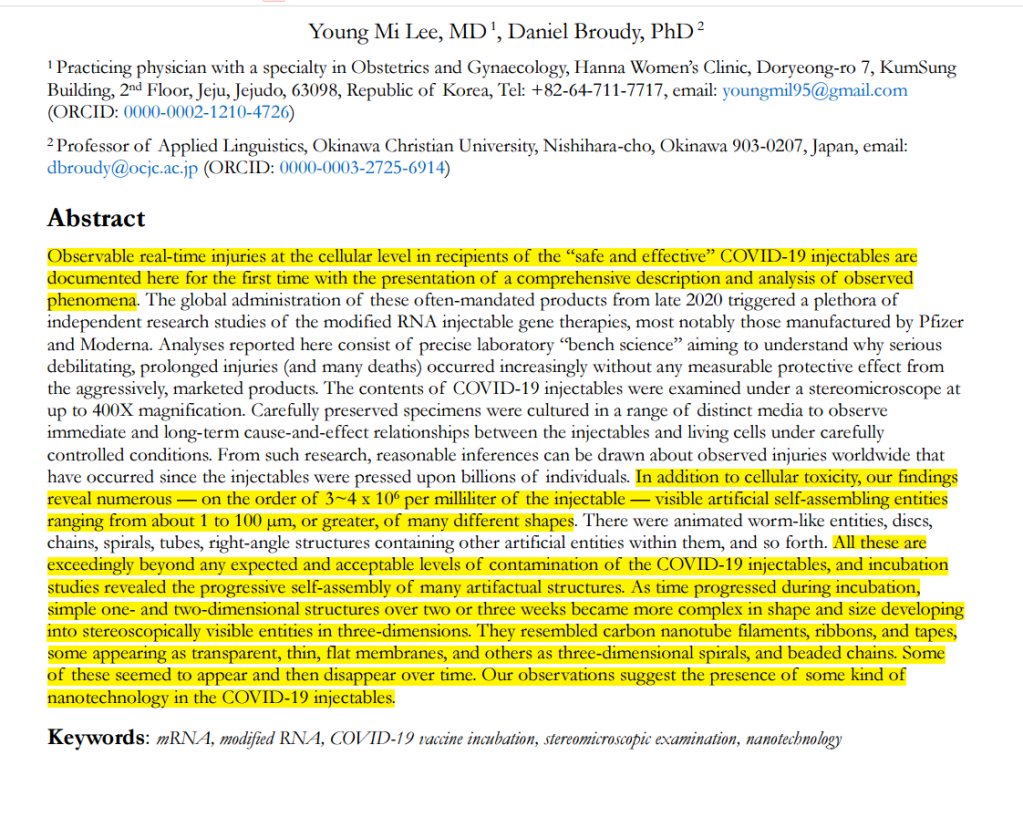
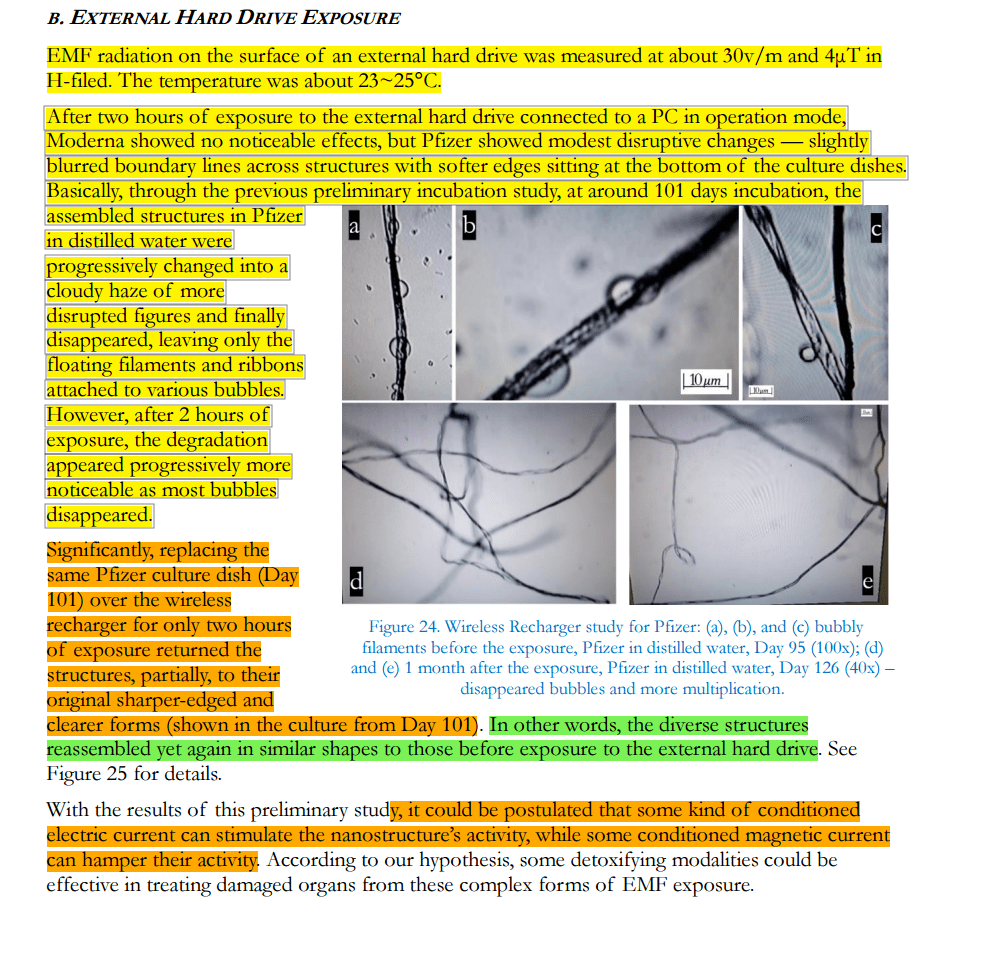
This research, recently published (July 2024), entitled โ€œReal-Time Self-Assembly of Stereo microscopically Visible Artificial Constructions in Incubated Specimens of mRNA Products Mainly from Pfizer and Moderna: A Comprehensive Longitudinal Study,โ€ indicates that everyone who was coerced into taking that Pfizer or Moderna vaccine could very well be infected with some strange unidentifiable nanotech.

As we reported here, we have isolated numerous and various unidentified materials โ€” a few ฮผm in
size โ€” beyond the nanoparticles described in FDA reports for the mRNA injectables, in the Pfizer
and even more so in the Moderna products.

Having concluded various experiments and careful observational studies, we infer that the materials
and their observed stages of development are not natural.
They are synthetic, and elemental seeming
to govern a well-programmed process of structural self-assembly. That their provisional final
production could be described as artificial has already been suggested in the numerous articles
referenced so far…

โ€ฆSasha Latypova, an executive and researcher for the pharmaceutical industry, discovered an extreme
deviation in side effects among the batch-to-batch vials of mRNA COVID-19 injectables.
In a
normal world, this sort of wildly uneven deviation would be intolerable in ordinary pharmaceutical
products receiving routine oversight by regulatory bodies adhering strictly to established protocols
and safety guidelines. Nevertheless, as the public has been reminded continually, we are living in a
โ€œnew normalโ€. How, therefore, might we understand more generally this obvious deviation from the
old normal? One way is to consider intentionality. These products were meant to serve foremost as
experimental injections for the whole of humanity โ€” including all ethnicities, sexes, and age groups.

This depiction squares with the FDA approval letter of the Comirnaty (Pfizer product; FDA, 2021),
the post-marketing requirement, in infants under 6 months of age, the study completion of July 31,
2024, and the final report which is to be submitted by October 31, 2024. Worth nothing is that in
the accompanying documents for the injectable products all details referring to the factories where
they were manufactured were conspicuously redacted
, which begs larger questions about secrecy
undermining informed consent.

Broudy, Daniel & Lee, Young. (2024). Real-Time Self-Assembly of Stereomicroscopically Visible Artificial Constructions in Incubated Specimens of mRNA Products Mainly from Pfizer and Moderna: A Comprehensive Longitudinal Study. International Journal of Vaccine Theory, Practice, and Research. 3. 1180-1244. 10.56098/586k0043.

2 Timothy 3:1-9

3ย This know also, that in the last days perilous times shall come.

2ย For men shall be lovers of their own selves, covetous, boasters, proud, blasphemers, disobedient to parents, unthankful, unholy,3ย Without natural affection, trucebreakers, false accusers, incontinent, fierce, despisers of those that are good,4ย Traitors, heady, highminded, lovers of pleasures more than lovers of God;5ย Having a form of godliness, but denying the power thereof: from such turn away.6ย For of this sort are they which creep into houses, and lead captive silly women laden with sins, led away with divers lusts,7ย Ever learning, and never able to come to the knowledge of the truth.8ย Now as Jannes and Jambres withstood Moses, so do these also resist the truth: men of corrupt minds, reprobate concerning the faith.9ย But they shall proceed no further: for their folly shall be manifest unto all men, as their’s also was.

Friday Proverb โ€“ How Do You Want To Be Remembered?

The memory of the just is blessed:


Think about that โ€“ if you repent and trust in the Lord Jesus Christ as your Savior He has promised that He will not remember your sins, because God will only see His righteousness โ€“ and we achieve justification through Him.


but the name of the wicked shall rot.


No matter how famous, no matter how much charity, no matter how many good works โ€“ the promise for the wicked unrepentant is that every idle deed and word is remembered โ€“ none of the record of their world famous deeds will stand โ€“ none of their riches โ€“ not even a bowling trophy!  The only thing, the only thing that matters is that you trust in Him today without delay!

sheepgoats

Friday Proverb โ€“ The Wicked Will Not Always Prosper

As wickedness grows apace in this world, believers sometimes wonder longingly when the LORD will call them home.  The Word of God is implicitly clear โ€“ He is keeping track โ€“ and He will hold all accountable.

Jesus healing blind

ย Blessings are upon theย headย of theย just: but violence covereth the mouth of the wicked.


It is extremely important to understand the meaning of the word โ€œjustโ€ in the first section of this Proverb.  Who are the just?  Those who seek after righteousness through saving faith in Godโ€™s Christ!  No one can be just on their own โ€“ because no one can obtain their own righteousness.  And Who is our Head?  Jesus Christ of course!

The second part of this Proverb is sad indeed.  We see the wicked prospering in the world, and it โ€œvexes our souls,โ€ as it should!  But look closely at that verse โ€“ and you will see it says something far more than most think it does.  โ€œViolence covereth the mouth of the wicked.โ€  Picture this, because this is what the Word is saying โ€“ the unrepentant will NOT be able to answer when the charges are brought against them at the Great White Throne Judgment!  Their mouths will be โ€œcovered with violence.โ€  There will be no pleading or bargaining involved, such as the courts of law hold today.  No negotiating โ€“ no reduced sentences โ€“ no parole. . .no purgatory!

Do not think this is some cruel fate โ€“ you have had ample time to repent, and the Lord is not willing that any should perish.  Now is the time โ€“ not next year, or in a couple of years after you get done โ€œliving your life.โ€  The time is never going to get better than right this minute.  Turn to Jesus Christ, your Creator and Savior, please do it now because you may not get the chance later.