
Our home school has always had pets. We actually had pets before any children came along – so from their infancy animals were a constant presence. Children and pets – a match made in heaven. . .
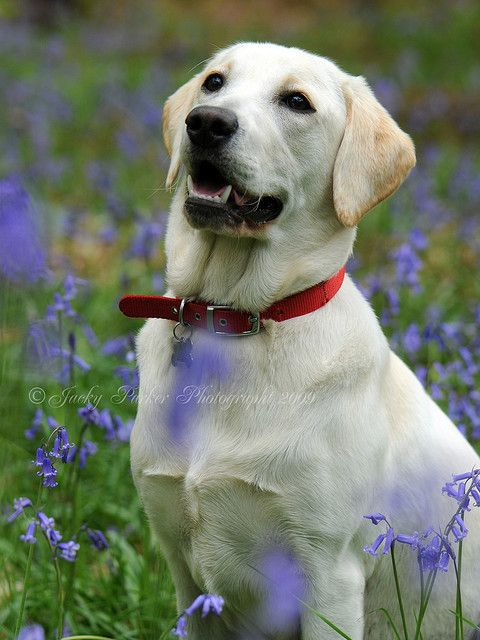
Pets can be a valuable “spring-board” for many home school adventures! In addition – kids can learn responsibility for another living creature. Pets can help human beings, who come into this world as completely self-centered selfish creatures, to grow into mature, dependable individuals.
- A pet can be the basis of a writing project. Any composition, book report or research paper will be enhanced by the child’s interest in their pet.
- Pets (particularly dogs) will a be great ally in enforcing schedules.
- Recalcitrant nappers can change into the most eager sleepers if allowed to nap with a pet.
- Measuring food and counting treats are excellent for teaching basic math.
- Developing and making home made dog biscuits is a great project.
- Growing “cat grass” and sunflowers (for seeds) is a good botany/biology project.
- Pets can reduce test time stress simply by being there.
- Pets can console kids (and adults) that are feeling down.
- When kids are home with pets all day – no one gets lonely – kids or pets.

My kids very often had a cat on their laps or desks, and a dog at their feet all day during school.
As they get older, the pet may stimulate the child to work at an animal shelter, or even pursue a career in human or animal sciences. The benefits of home schooling with pets are too numerous to cover here, but every study shows that caring for and living with pets makes us better, healthier people all around.
What about outdoor pets? Positioning a bird feeder outside the window where you have your home school, can be a constant source of delight – no matter what the kid’s ages are. Keeping field guides and binoculars at the ready will spur kids to look for identifying marks, and triumphant cries of delight will be heard when the correct identification is made.
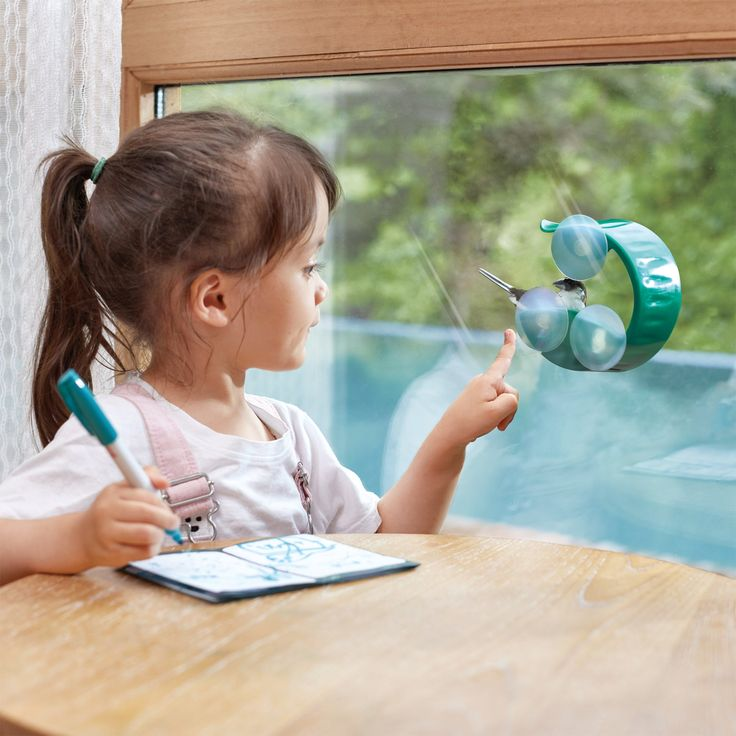
The feeder(s) can be an excellent exercise in record keeping and charting comparisons of most desirable seeds. Unsprayed lawns will have even more birds and critters, as well as insects to study. Dandelions can be picked in heaps for pet guinea pigs to eat.

In cold winter areas – home made suet cakes are a good science project, and again – a good basis for experimentation. Do downy woodpeckers like suet or peanut butter better? Oilers or stripers? (sunflower seeds) Writing it down and illustrating it involves all the areas of school – art, math, language skills, science, and history. Bird calls have been used as the basis of some great classical music and poetry – such as ‘The Lark Ascending,’ by Ralph Vaughan Williams, which was inspired by a poem by George Meridith.
To A Skylark
O skylark! I see thee and call thee joy!
Thy wings bear thee up to the breast of the dawn;
I see thee no more, but thy song is still
The tongue of the heavens to me!
Thus are the days when I was a boy;
Sweet while I lived in them, dear now they’re gone:
I feel them no longer, but still, O still
They tell of the heavens to me.
–George Meredith–
 The Vine Vigil

