
Bible translations – it’s a mess. If you are anything like me (logical, analytical, likes to read peer-reviewed research for *fun* on the weekends), the confusion surrounding Biblical translations seems to almost invalidate the Bible as a whole. To an external observer with a penchant towards experimental and evidence-based analysis, contradicting results invalidates the authority of the results. Due to the conflicting views on translations of Scripture, I am working to assemble my research to validate the authority of the Scripture in terms of the Authorized King James Version.
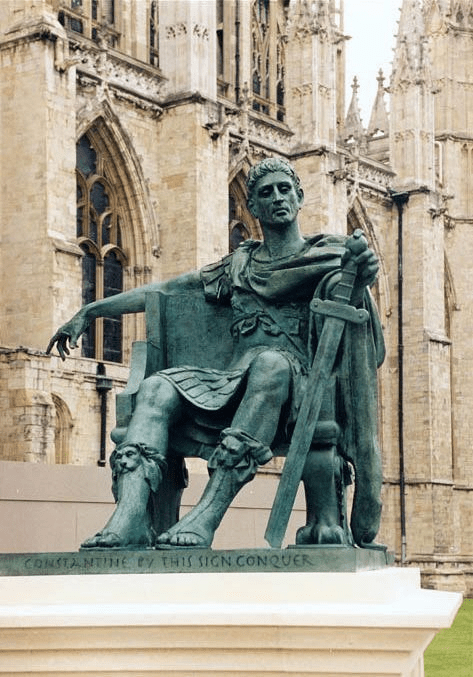
When Emperor Constantine took over the Roman Empire thanks to strong connections that were enabled by his father Caesar Constantius of the First Tetrarchy (AD 293 – 305), he sought to unify paganism and Christianity. By unifying them, he would be able to manipulate himself into a position of absolute divine authority and unanimous approval from all classes through an imperial cult, a state religion wherein an emperor or group of emperors are worshipped as demigods or deities. When Emperor Constantine did this, he:
- Increased tolerance of Christianity while limiting regulations against Roman polytheism.
- Mingled pagan holidays with Christian beliefs.
- Called for the Council of Nicaea, establishing the Nicene Creed and deity of Christ.
All of the unified religions established as the official religion of the Roman Empire were called, as a unit, Roman Catholicism. In an effort to unify Christianity and people who had pantheistic views for peace under his “divine leadership,” Constantine played his role carefully after analyzing that the Christians would not be so easily eliminated with simple persecution and massacre as was attempted during the reign of prior Emperor Diocletian and his Tetrarchy. Roman Catholicism embellished Christianity with ritualistic ceremonies, focusing on the value and authority of paganist rituals and ceremony as opposed to the authority of Scripture. Thus, any Scripture which was derived from the influence of that intermingling of Gnosticism, paganism and Arianism that was the result of Constantine’s efforts for a unified religion (Roman Catholicism) and any translation of Scripture which stemmed from that unification and desperate attempt to unite the pagans of the world with Christians uses a translation that:
1.) is anti-Trinitarian
2.) denies the authority of Scripture.
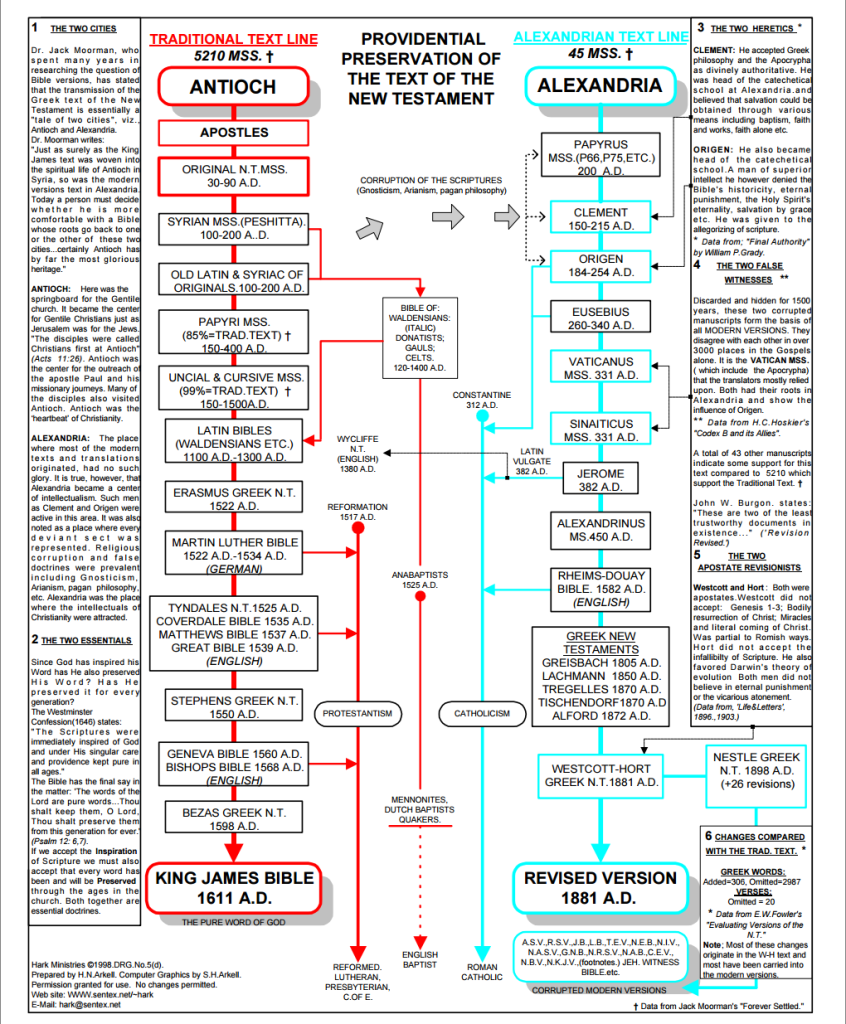
Most English Translations of Scripture come from copies of Greek codices of questionable translational authenticity kept in “the holy city of Catholics” – Vatican City.
Please note the following illustration:
I will be providing more information on this topic as time permits.

 The Vine Vigil